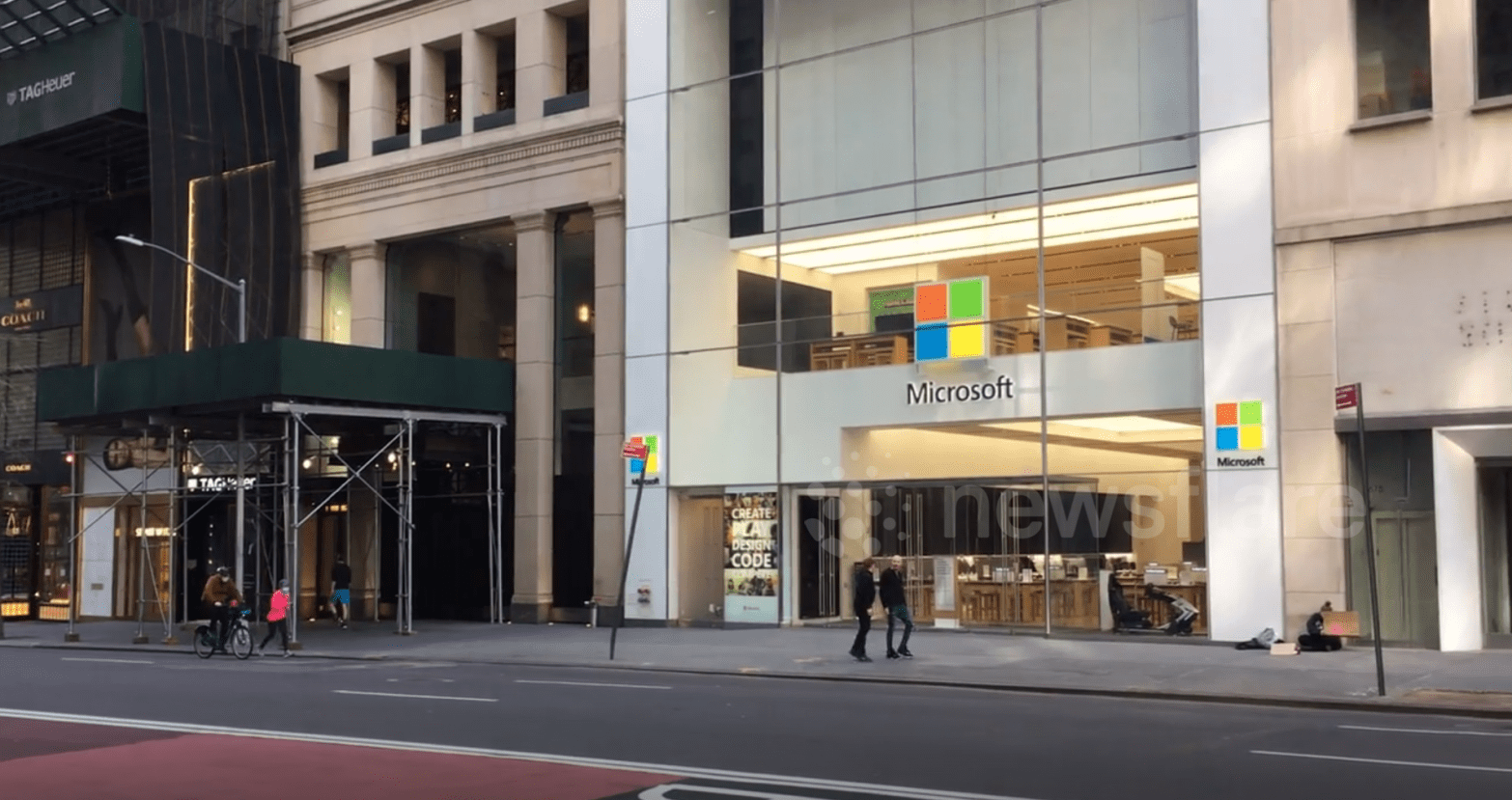
With the rise of social media and celebrity influence on fashion trends, no one could have ever suspected for businesses to plummet so suddenly. The Covid-19 pandemic prompted many retail locations to close down worldwide, and in this case, rely solely on online markets and big department store partners to keep their work going.
All across the major fashion hot spots of New York City, popular stores are emptied and isolated. SoHo, Fifth Avenue and Herald Square are practically ghost towns compared to what they were a little over a month ago.
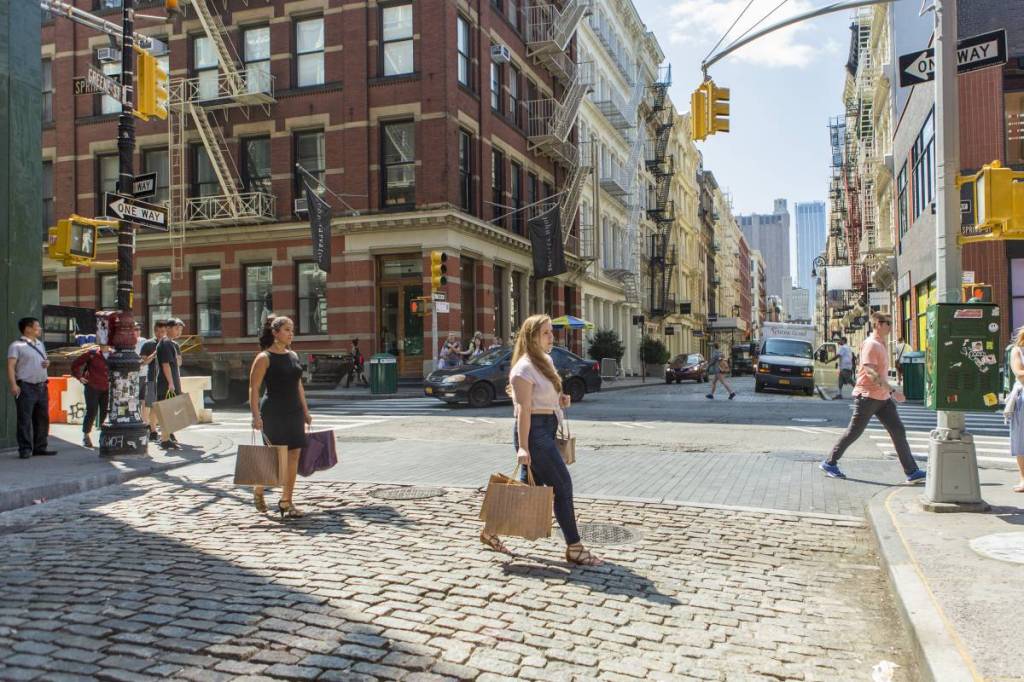
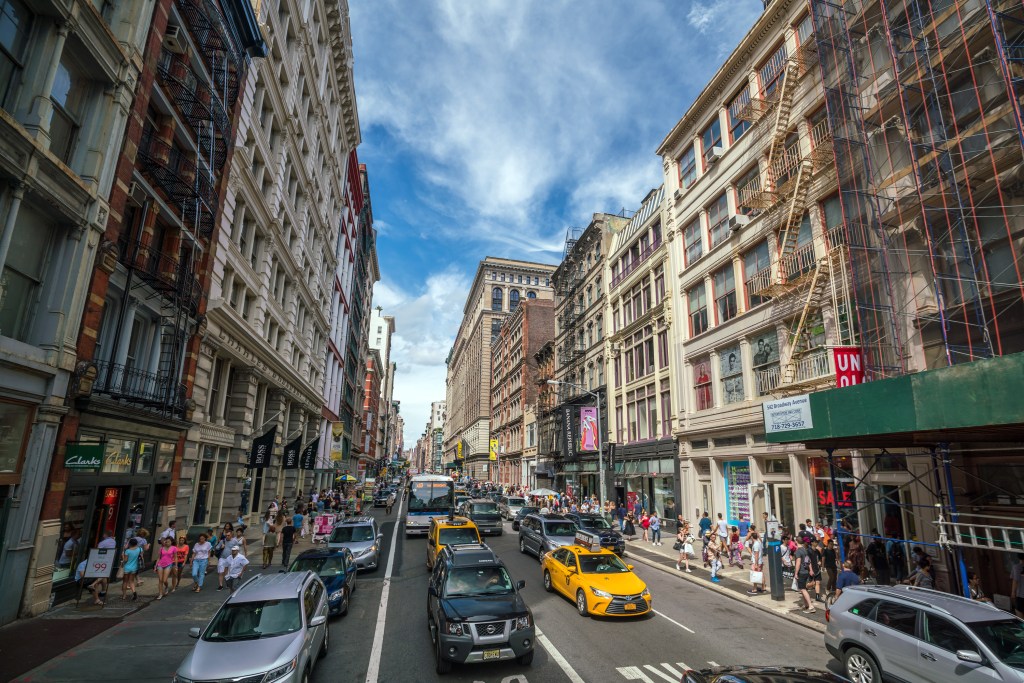
The fact is, businesses rely heavily on consumers to keep them running. However, with the recent stay-at-home orders in effect almost entirely worldwide, it has become more and more difficult to reach customers on services that are not necessarily essential.
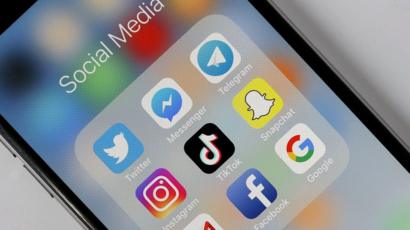
Stacy DeBroff writes about the new “Stay-Home Economy” and how consumers now more than ever turn to the Internet and social media for “content, comfort and creativity.” In other words, online markets are still running, as people run out of options to keep themselves entertained at home. Consumers begin to rely more on social media Influencers to provide them the content they need during this time.
One important point about the business of the fashion industry is the need for celebrities and influencers to bring in more consumers and overall sales. People are constantly up-to-date on current trends simply from participating in digital media consumption.
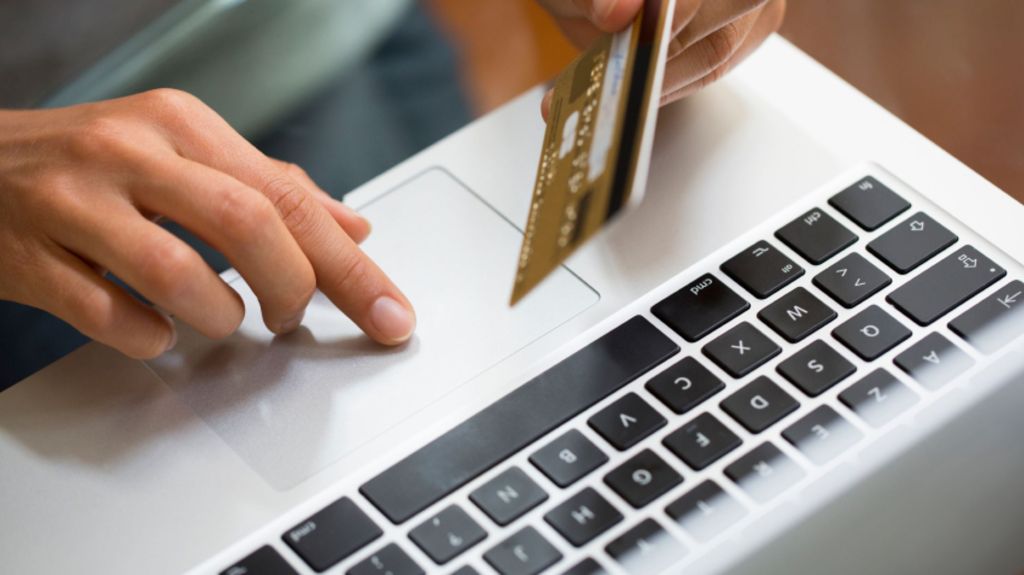
While many different brands are struggling to keep up with the recent decline in sales, they understand now more than ever the importance of advertising through the media. Despite the mandatory stay-at-home orders, consumers are still being connected to each other through different sites on the Internet.
Philip Lim mentioned that although it seems like life is canceled at the moment, people still need to be doing everything they can to remain calm and sane. He recommends sticking to a routine, getting ready for the day, and keeping productive in order to ensure that when at some point life does return to normal, it will be one smooth transition.
Another tactic many fashion brands are adopting during this economic crisis is implementing many discounts and sales within their online markets. This piques consumers’ interests and allows them to remain connected.
Even so, this is a difficult transition for many in the retail industry. A large part of their business accounts for their physical stores that have now been put on hold during this time. Although now prioritizing websites and advertising, it is still a new territory for many to explore.
Fast fashion markets are also dealing with a huge change. Normally, product manufacturing goes through the supply chain, and with this pandemic affecting hundreds of thousands worldwide, it is difficult to keep up with the demand. Lots of people are out of work because it is a huge risk to even leave the house. Furthermore, retail services aren’t considered essential, so production has largely come to a halt.
As of April 13, New York state now has more than 195-thousand cases of the virus. Previously known as the city that never sleeps, the area is now visibly deserted.
 Street Style in the City